Novedades

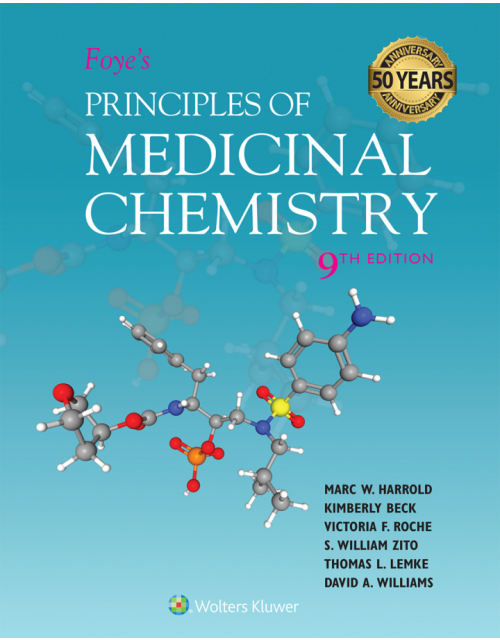
Foye's Principles of Medicinal Chemistry

Incluye Gastos de Importación

Maintaining its status as the gold standard in medicinal chemistry education, Foye's Principles of Medicinal Chemistry, 9th Edition, presents a renewed focus on the fundamental concepts that form the backbone of this critical discipline. This latest edition, helmed by new senior editors Marc Harrold and Kim Beck, continues the text's legacy of excellence while streamlining content for today's pharmacy students and practitioners. Expert contributions from experienced educators, research scientists, and clinicians clarify the chemical basis of drug action, emphasizing the structure-activity relationships, physicochemical-pharmacokinetic properties, and metabolic profiles of the most commonly used drugs.UPDATED! Focused content emphasizes essential information in an ideal format for contemporary PharmD curricula.
UPDATED! Drug information equips students with the latest developments in drug discovery, structure optimization and clinical use.
Clinical Significance testimonials provide a clinician’s view of the relevance of medicinal chemistry to practice.
End-of-Chapter exercises provide valuable self-assessment opportunities and reinforce key concepts.  

Foye's Principles of Medicinal Chemistry
  • Novedad
Libro Impreso
Precio Lista USD $ 125
Precio CELSUS USD $ 100

Maintaining its status as the gold standard in medicinal chemistry education, Foye's Principles of Medicinal Chemistry, 9th Edition, presents a renewed focus on the fundamental concepts that form the backbone of this critical discipline. This latest edition, helmed by new senior editors Marc Harrold and Kim Beck, continues the text's legacy of excellence while streamlining content for today's pharmacy students and practitioners. Expert contributions from experienced educators, research scientists, and clinicians clarify the chemical basis of drug action, emphasizing the structure-activity relationships, physicochemical-pharmacokinetic properties, and metabolic profiles of the most commonly used drugs.UPDATED! Focused content emphasizes essential information in an ideal format for contemporary PharmD curricula.
UPDATED! Drug information equips students with the latest developments in drug discovery, structure optimization and clinical use.
Clinical Significance testimonials provide a clinician’s view of the relevance of medicinal chemistry to practice.
End-of-Chapter exercises provide valuable self-assessment opportunities and reinforce key concepts.  

  1. Dedication
  2. Dedication to William O. Foye
  3. Preface
  4. Acknowledgements
  5. Contributors
  6. Clinical Contributors
  7. Contents
  8. Part I Principles
  9. Chapter 1 The Evolution of Medicinal Chemistry
  10. Discovery and Chemistry of Biologically Active Substances
  11. Evolution From Art to Science
  12. Biology-Enabled Chemistry and Vice Versa
  13. Selected Technology-Based Examples of Medicinal Chemistry Development
  14. Where Will Medicinal Chemistry Be in 2050?
  15. Summary
  16. Chapter 2 Foundational Principles and Functional Group Impact on Activity
  17. Introduction
  18. Relationship Between Molecular Structure and Biologic Activity
  19. Selectivity of Drug Action and Drug Receptors
  20. Physicochemical Properties of Drugs
  21. Relative Acid Strength (pKa)
  22. Drug Absorption
  23. Passive Diffusion
  24. Active Transport (Influx and Efflux Transporters)
  25. Prodrugs
  26. Stereochemistry and Drug Action
  27. Stereochemical Definitions
  28. Drug Design: Discovery and Structural Modification of Lead Molecules
  29. Peptide and Protein Drugs
  30. Summary
  31. Acknowledgments
  32. Chapter 3 Drug Metabolism
  33. Introduction
  34. Pathways of Metabolism
  35. Factors Affecting Metabolism
  36. Drug Biotransformation Pathway (Phase 1)
  37. Drug Conjugation Pathways (Phase 2)
  38. Elimination Pathways
  39. Drug Metabolism and Age
  40. Genetic Polymorphism
  41. First-Pass Metabolism
  42. Extrahepatic Metabolism
  43. Stereochemical Aspects of Drug Metabolism
  44. Metabolic Bioactivation: Role in Hepatotoxicity, Idiosyncratic Reactions, and Chemical Carcinogenesis
  45. Drug-Drug Interactions
  46. Gender Differences in Drug Metabolism
  47. Major Pathways of Metabolism
  48. Chapter 4 Membrane Drug Transporters
  49. Introduction
  50. Mechanisms of Membrane Transport
  51. Classification of Transporters
  52. Effect of Transport on Drug Pharmacokinetics and Drug-Drug Interactions
  53. Conclusions
  54. Chapter 5 Principles of Biotechnology-Derived Drugs
  55. Introduction
  56. Pharmacogenetics
  57. Pharmaceutical Biotechnology Methods
  58. General Properties of Biotechnology-Produced Medicinal Agents
  59. Monoclonal Antibodies
  60. Antibody-Drug Conjugates
  61. Pharmacogenomics and Personalized Medicine
  62. Gene Therapy
  63. Summary
  64. Part 2 Receptor Targets
  65. Chapter 6 G Protein–Coupled Receptors
  66. Introduction
  67. Transmembrane G Protein–Coupled Receptors
  68. Adrenoceptors
  69. Serotonin Receptors
  70. Cholinergic Muscarinic Receptors
  71. Opioid Receptors
  72. Histamine Receptors
  73. Dopamine Receptors
  74. Acknowledgments
  75. Chapter 7 Nuclear Receptors
  76. Introduction
  77. Nuclear Receptor Activation
  78. Estrogen Receptors
  79. Progesterone Receptors
  80. Androgen Receptors
  81. Glucocorticoid Receptors
  82. Mineralocorticoid Receptors
  83. Thyroid Receptors
  84. Peroxisome Proliferator–Activated Receptors
  85. Retinoic Acid Receptors
  86. Retinoid X Receptors
  87. Vitamin D Receptors
  88. Orphan Receptors
  89. Chapter 8 Ion Channel Receptors
  90. Introduction
  91. Ligand-Gated Ion Channels
  92. Voltage-Gated and Second Messenger–Gated Channels
  93. Mechanisms of Calcium Movement and Storage
  94. Acknowledgments
  95. Chapter 9 Enzyme/Catalytic Receptors
  96. Introduction
  97. Conclusion
  98. Part 3 Pharmacodynamic Agents
  99. Section 1 Drugs Impacting the Central Nervous System
  100. Chapter 10 Drugs Used to Treat Neuromuscular Disorders
  101. Overview of Neuromuscular Disorders
  102. Parkinson Disease
  103. Multiple Sclerosis
  104. Amyotrophic Lateral Sclerosis
  105. Duchenne Muscular Dystrophy
  106. Spinal Muscular Atrophy
  107. Spasticity Disorders
  108. Acknowledgment
  109. Chapter 11 Antipsychotic and Anxiolytic Drugs
  110. Overview of Antipsychotic and Anxiolytic Medicines
  111. Psychoses and Anxiety Disorders
  112. Schizophrenia
  113. Anxiety Disorders
  114. Chapter 12 Drugs Used to Treat Depression
  115. Introduction
  116. Types of Depressive Disorders
  117. Biologic Basis of Depression
  118. General Approaches to Treatment of Depression
  119. Antidepressants in Psychotherapy
  120. Effect of Physicochemical Properties and Stereochemistry on Antidepressant Efficacy
  121. Drug Metabolism and Drug-Drug Interactions
  122. Specific Drugs
  123. Electroconvulsive Therapy
  124. Chapter 13 Drugs Used to Treat Alzheimer Disease and Attention-Deficit/Hyperactivity Disorder
  125. Drugs Used to Treat Alzheimer Disease
  126. Drugs Used to Treat Attention-Deficit/Hyperactivity Disorder
  127. Acknowledgment
  128. Chapter 14 Drugs Used to Induce/Support Sedation or Anesthesia
  129. Agents That Induce or Promote Sedation and Sleep
  130. Agents that Induce or Maintain General Anesthesia
  131. Chapter 15 Drugs Used to Treat Seizure Disorders
  132. Overview of Seizure Disorders
  133. Physiologic Mechanisms Involved in Seizures
  134. Chemistry of Commonly Used Antiepileptic Drugs
  135. Antiseizure Medications in the Pipeline
  136. Section 2 Drugs Impacting Pain Perception
  137. Chapter 16 Drugs Used to Treat Pain: Centrally Acting Agents
  138. Pain
  139. Opioid Analgesics and Antagonists
  140. Peripherally Restricted µ Agonists: Antidiarrheals
  141. Drugs Used to Treat Neuropathic Pain
  142. Antimigraine Drugs
  143. Acknowledgment
  144. Chapter 17 Drugs Used to Treat Pain: Peripherally Acting Agents
  145. Introduction
  146. Inflammation
  147. General Gastrointestinal Considerations for Nonsteroidal Anti-inflammatory Drug Therapy
  148. Therapeutic Classifications
  149. Disease-Modifying Antirheumatic Drugs
  150. Drugs Used to Treat Gout
  151. Local Anesthetics
  152. Acknowledgments
  153. Section 3 Drugs Impacting the Cardiovascular System
  154. Chapter 18 Drugs Used to Treat Dyslipidemic Disorders
  155. Chemistry and Biochemistry of Plasma Lipids
  156. Therapeutic Overview
  157. Drugs Used to Treat Dyslipidemia
  158. HMG-CoA Reductase Inhibitors
  159. Cholesterol Absorption Inhibitor
  160. Proprotein Convertase Subtilisin/Kexin Type 9 Inhibitors
  161. Bempedoic Acid
  162. Bile Acid Sequestrants
  163. Orphan Drugs for the Treatment of Homozygous Familial Hypercholesterolemia
  164. Nicotinic Acid (Niacin)
  165. Fibrates
  166. ω-3 Fatty Acids
  167. Chapter 19 Drugs Used to Treat Hypertensive/Hypotensive Disorders
  168. Cardiovascular Hypertension
  169. Diuretics
  170. Renin-Angiotensin Pathway
  171. Calcium Channel Blockers
  172. Central and Peripheral Sympatholytics and Vasodilators
  173. Acknowledgments
  174. Chapter 20 Drugs Used to Treat Ischemic Heart Disease, Heart Failure, and Arrhythmias
  175. Drugs for the Treatment of Angina
  176. Drugs for the Treatment of Heart Failure
  177. Drugs for the Treatment of Cardiac Arrhythmia
  178. Chapter 21 Drugs Used to Treat Thrombotic Disorders
  179. Epidemiology and Economic Impact of Thrombotic Diseases
  180. Physiology of Hemostasis
  181. Pathophysiology of Thrombus Formation
  182. Antiplatelet Drugs
  183. Anticoagulants
  184. Antithrombotic/Profibrinolytic Oligonucleotide
  185. Fibrinolytic Drugs
  186. Thrombopoietin-Receptor Agonists
  187. Spleen Tyrosine-Kinase Inhibitor
  188. Fibrinolysis Inhibitors
  189. Section 4 Drugs Impacting Hormonal Systems
  190. Chapter 22 Drugs Used to Treat Diabetic Disorders
  191. Diabetes Mellitus: Historical Perspectives
  192. Chapter 23 Drugs Used to Treat Obesity
  193. Therapeutic Context
  194. Pharmacology Overview
  195. Chapter 24 Drugs Used to Treat Inflammatory and Corticosteroid Deficiency Disorders
  196. Introduction
  197. Steroid Nomenclature and Structure
  198. Mechanism of Steroid Hormone Action
  199. History and Disease States
  200. Biosynthesis
  201. Metabolism
  202. Physiologic Effects of Adrenocorticoids
  203. Summary of Structure-Activity Relationships
  204. Pharmacologic Effects and Clinical Applications
  205. Development of Adrenocorticoid Drugs
  206. Adrenocorticoid Antagonists
  207. Acknowledgment
  208. Chapter 25 Drugs Used to Advance Men’s and Women’s Health
  209. Introduction
  210. Sex Hormones
  211. Drugs Used in Modulating Women’s Fertility
  212. Drugs Used in Hormone Replacement Therapy for Menopause
  213. Drugs Used in the Treatment of Androgen Insufficiencies
  214. Drugs Used for the Treatment of Erectile Dysfunction
  215. Drugs Used for Benign Prostatic Hyperplasia
  216. Treating Skin Conditions With Inhibitors of the Androgen Receptor Axis
  217. Treatment of Prostatitis
  218. Drugs Used for the Treatment of Hormone-Dependent Cancers (Breast, Prostate)
  219. Testicular Cancer
  220. Acknowledgments
  221. Chapter 26 Drugs Used to Treat Thyroid Disorders
  222. Introduction
  223. Biosynthesis, Transport, Metabolism, and Excretion of Thyroid Hormones
  224. Physiologic Actions of Thyroid Hormones
  225. Thyroid Diseases and Therapeutic Interventions
  226. Acknowledgments
  227. Chapter 27 Drugs Used to Treat Calcium-Dependent Disorders
  228. Introduction
  229. Hormonal Regulation of Serum Calcium Levels
  230. Normal Physiology
  231. Disease States Associated With Abnormal Calcium Homeostasis
  232. Drug Therapies Used to Treat Osteoporosis
  233. PTH Analogues
  234. Drug Therapies Used to Treat Hyperparathyroidism
  235. Drug Therapies Used to Treat Hypercalcemia of Malignancy
  236. Drug Therapy Used in the Treatment of Hypoparathyroidism
  237. Section 5 Drugs Impacting Immune, Gastrointestinal and Genitourinary Systems
  238. Chapter 28 Drugs Used to Treat Gastrointestinal and Genitourinary Disorders
  239. Introduction
  240. Drugs Used for the Treatment of Gastrointestinal Disorders, Including Ulcer and Gastroesophageal Reflux Disease
  241. Antiemetic Agents
  242. Irritable Bowel Syndrome and Treatment Options
  243. Agents That Impact Gastrointestinal and Genitourinary Smooth Muscle and Glands
  244. Chapter 29 Drugs Used to Treat Allergic Disorders
  245. Introduction
  246. Key Player: Histamine
  247. H1-Antihistamines
  248. Histamine Release Inhibitors (Mast-Cell Stabilizers)
  249. Acknowledgment
  250. Section 6 Drugs Impacting Ocular, Nasal, and Pulmonary Systems
  251. Chapter 30 Drugs Used to Treat Ocular and Nasal Disorders
  252. Introduction
  253. Therapeutic Classes of Drugs Used to Treat Nasal and Ocular Congestion
  254. Chapter 31 Drugs Used to Treat Pulmonary Disorders
  255. Introduction
  256. Medicinal chemistry of inhaled agents
  257. Asthma
  258. Therapeutic Approaches to the Treatment and Management of Asthma
  259. Therapeutic Classes of Drugs Used to Treat Asthma and Chronic Obstructive Pulmonary Disease
  260. Chronic Obstructive Pulmonary Disease
  261. Smoking Cessation
  262. Cystic Fibrosis
  263. Idiopathic Pulmonary Fibrosis
  264. Pulmonary Arterial Hypertension
  265. Acknowledgements
  266. Section 7 Drugs Impacting Infectious and Neoplastic Disease Processes
  267. Chapter 32 Drugs Used to Treat Bacterial Infections
  268. Introduction
  269. History
  270. Antibacterial Nomenclature
  271. Bacterial Pathogen Identification
  272. Antibacterial Susceptibility Testing
  273. Bacterial Resistance and Tolerance
  274. Therapeutic Considerations
  275. Mechanistic Classes
  276. Acknowledgments
  277. Chapter 33 Drugs Used to Treat Viral Infections
  278. Introduction
  279. Virus Structure and Classification
  280. Infectious Cycle
  281. Viral Pathogenesis
  282. General Concepts in the Development of Antiviral Drugs
  283. Herpesviruses
  284. Antiviral Drugs to Treat Herpes Viral Infections
  285. Antiviral Drugs to Treat Cytomegalovirus Infections
  286. Influenza Viruses
  287. Antiviral Drugs to Treat Influenza Infections
  288. Coronaviruses
  289. Antiviral Drugs to Treat COVID-19
  290. Respiratory Syncytial Virus
  291. Antiviral Drugs to Treat Respiratory Syncytial Virus Infections
  292. Hepatitis
  293. Antiviral Drugs to Treat Hepatitis B Viral Infections
  294. Antiviral Drugs to Treat Hepatitis C Viral Infections
  295. Human Immunodeficiency Virus
  296. Antiviral Drugs to Treat Human Immunodeficiency Virus Infections
  297. Rare Viral Diseases
  298. Antiviral Drugs to Treat Rare Viral Infections
  299. Chapter 34 Drugs Used to Treat Fungal Infections
  300. Introduction
  301. Epidemiology and Economic Impact of Fungal Infections
  302. Fungal Diseases
  303. Biochemical Targets of Antifungal Chemotherapy
  304. Acknowledgment
  305. Chapter 35 Drugs Used to Treat Parasitic Infections
  306. Introduction
  307. Protozoal Infections
  308. Helminth Infections
  309. Ectoparasitic infections
  310. Acknowledgment
  311. Chapter 36 Drugs Used to Treat Neoplastic Diseases—Classical Chemotherapy
  312. Cancer
  313. Therapeutic Classes of Anticancer Drugs
  314. Chapter 37 Drugs Used to Treat Neoplastic Diseases: Targeted Therapy
  315. Contemporary Directions and Developments in Cancer Therapy
  316. Precision Oncology
  317. Carcinogenesis and Oncogenic Drivers
  318. Targeted Therapies and Cancer Immunotherapies
  319. Drug Classes Based on Dysfunctional Pathways and Molecular Targets
  320. Summary
  321. Section 8 Therapeutic Biologics
  322. Chapter 38 Biologics Used in the Treatment of Disease
  323. Introduction
  324. Therapeutic Peptide and Protein Drugs
  325. Antisense Oligonucleotides
  326. Small Interfering RNAs
  327. Summary
  328. Appendix A Predicted pKa and cLog P Values of Commonly Prescribed Drugs
  329. Appendix B pH Values of Biologic Fluids
  330. Subject Index
  331. Drug Index
Escribir Su propia reseña
Va a opinar sobre:Foye's Principles of Medicinal Chemistry

Productos relacionados