Novedades

ACSM's Sports Medicine. A Comprehensive Review

Incluye Gastos de Importación

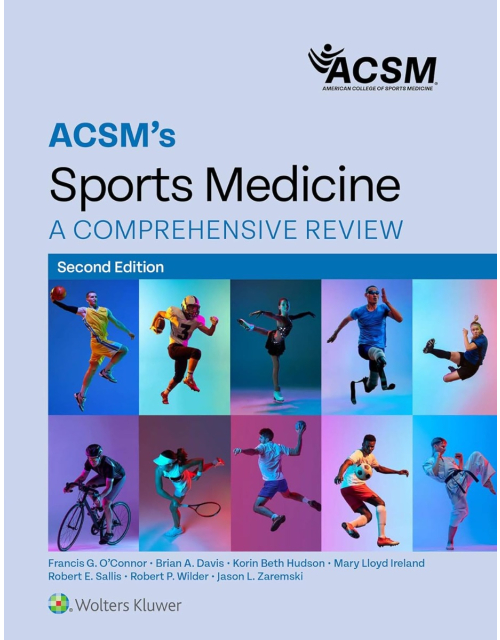
ACSM’s Sports Medicine: A Comprehensive Review, 2nd Edition, spans the full spectrum of sports medicine, from medical to skeletal conditions related to the athlete. Using an easy-to-follow, bulleted approach, it approaches the content with two guiding objectives 1) to serve a premier educational primer for the clinician embarking on a career in sports medicine, and 2) to provide the foremost resource to assist clinicians preparing for their subspecialty sports medicine certification examination. A multidisciplinary team of authors and editors, led by senior editor Dr. Francis G. O’Connor, ensures that you’ll benefit from the who’s who of sports medicine talent from nearly all medical specialties and leaders in athletic training and physical therapy.Expanded to 136 chapters, divided into sever sections: general considerations, evaluation of the injured athlete, medical problems in the athlete, muscu­loskeletal problems in the athlete, principles of rehabilitation, sports-specific populations, and special populations.
Uses an easy-access, bulleted format that makes important concepts simple to locate and recall, highlighted by numerous tables, figures, and algorithms.
Features over 1,300 refreshed board-style practice questions online, with rationale for correct and incorrect responses.
Includes additional online-only content include chapter addenda, Radiographic Lines and Angles resource, and the most recent guidance by the Team Physician Consensus Conference (TPCC).

ACSM's Sports Medicine. A Comprehensive Review
  • Novedad
Libro Impreso
Precio Lista USD $ 117
Precio CELSUS USD $ 94

ACSM’s Sports Medicine: A Comprehensive Review, 2nd Edition, spans the full spectrum of sports medicine, from medical to skeletal conditions related to the athlete. Using an easy-to-follow, bulleted approach, it approaches the content with two guiding objectives 1) to serve a premier educational primer for the clinician embarking on a career in sports medicine, and 2) to provide the foremost resource to assist clinicians preparing for their subspecialty sports medicine certification examination. A multidisciplinary team of authors and editors, led by senior editor Dr. Francis G. O’Connor, ensures that you’ll benefit from the who’s who of sports medicine talent from nearly all medical specialties and leaders in athletic training and physical therapy.Expanded to 136 chapters, divided into sever sections: general considerations, evaluation of the injured athlete, medical problems in the athlete, muscu­loskeletal problems in the athlete, principles of rehabilitation, sports-specific populations, and special populations.
Uses an easy-access, bulleted format that makes important concepts simple to locate and recall, highlighted by numerous tables, figures, and algorithms.
Features over 1,300 refreshed board-style practice questions online, with rationale for correct and incorrect responses.
Includes additional online-only content include chapter addenda, Radiographic Lines and Angles resource, and the most recent guidance by the Team Physician Consensus Conference (TPCC).

  1. Dedication
  2. Contents
  3. Preface
  4. Acknowledgments
  5. Contributing Authors
  6. Reviewers
  7. Question_Editors_and_Authors
  8. SECTION i. Foundational Considerations in Sports Medicine
  9. 1. The Team Physician
  10. What Is a Team Physician?
  11. Time Requirements of a Team Physician
  12. Core Knowledge of a Team Physician
  13. Medical Responsibilities of the Team Physician
  14. Administrative Responsibilities of the Team Physician
  15. Medicolegal Concerns for the Team Physician
  16. Communication Responsibilities of a Team Physician
  17. Other Considerations for the Team Physician
  18. References
  19. 2. Leadership in Sports Medicine
  20. Introduction
  21. Health Care Models of Leadership
  22. Leadership Considerations in Practice
  23. Lifelong Development of Leadership
  24. The Case for Sports Medicine Leadership
  25. Summary
  26. References
  27. 3. Ethical Considerations in Sports Medicine
  28. Introduction
  29. Physician Responsibilities
  30. Potential for Dual Agency
  31. Drug Use
  32. Confidentiality
  33. Relationship With Colleagues
  34. Fear of Legal Entanglement
  35. Summary
  36. References
  37. 4. Medicolegal Considerations
  38. Introduction
  39. Definitions
  40. Duties, Roles, and Responsibilities of the Team Physician
  41. Duties, Roles, and Responsibilities of the Team and Athletes
  42. Contracts
  43. Liability
  44. Patient (Athlete)-Physician Relationship
  45. Drugs and the Athlete
  46. “Captain of the Ship”
  47. Risk Management
  48. Case Law and Legislation of Interest to the Team Physician
  49. Exculpatory Waivers
  50. References
  51. 5. Sports Medicine Terminology
  52. Introduction
  53. General Orthopaedic Terminology
  54. Classification Systems
  55. Evidence-Based Medicine Terminology
  56. Fitness Terminology
  57. Fracture Terminology
  58. Fracture Eponyms
  59. Genomics Terminology
  60. Regenerative Medicine/Orthobiologics
  61. Tendinopathy
  62. Ultrasound
  63. 6. Basics in Exercise Physiology
  64. Introduction
  65. Skeletal Muscle Physiology
  66. Concepts in Cardiopulmonary Physiology
  67. Measurements of Energy, Work, and Power
  68. Basic Concepts in Aerobic and Anaerobic Exercise
  69. Exercise Training
  70. Estimating Strength and Endurance
  71. References
  72. 7. Articular Cartilage Injury
  73. Introduction
  74. Basic Science
  75. Grading of Articular Cartilage Injury
  76. Nonsurgical Treatment
  77. Surgical Treatment
  78. Treatment Decision Making
  79. Future Directions
  80. References
  81. 8. Bone Injury and Fracture Healing
  82. Introduction
  83. Bone Anatomy
  84. Bone Biochemistry
  85. Bone-Healing Process
  86. Biomechanics of Fractures
  87. Factors Influencing Fracture Repair
  88. Augmentation Of Fracture Healing
  89. Types of Bone Graft
  90. Physical Stimulation Therapies
  91. References
  92. 9. Nerve Injury
  93. Introduction
  94. Peripheral Nerve Anatomy
  95. Nerve Injury
  96. Diagnosis of Peripheral Nerve Injury
  97. Peripheral Nerve Injury in Noncontact Sports
  98. Sports and Peripheral Nerve Injury
  99. Contact Sports and Nerve Injury
  100. Throwing Sports and Nerve Injury
  101. Carpal Tunnel Syndrome in Athletes
  102. Neuromuscular Imaging
  103. CRPS
  104. Conclusion
  105. References
  106. 10. Muscle and Tendon Injury and Repair
  107. Skeletal Muscle Injury and Repair
  108. Tendon Injury Repair
  109. References
  110. 11. Basic Principles of Exercise Training and Conditioning
  111. Introduction
  112. Exercise Prescription and Training Program
  113. General Components of an Exercise Program
  114. Medical Clearance and Exercise Testing
  115. Training Effects of Aerobic Exercise
  116. Summary
  117. References
  118. 12. Nutrition
  119. Introduction
  120. Basics in Energy Metabolism
  121. Nutritional Requirements of Athletes
  122. Hydration and Fluid Replacement
  123. Electrolytes
  124. Nutrient Timing
  125. Nutritional Issues
  126. Ergogenic Agents and Nutritional Supplements
  127. Special Population Considerations
  128. References
  129. 13. Exercise Prescription
  130. Introduction
  131. Benefits of Physical Activity
  132. Exercise Prescription: What to Include
  133. Exercise Prescription: Beyond Cardiovascular Endurance
  134. Exercise Prescription: Overcoming Barriers to Activity
  135. Exercise Prescription: Assessing Readiness to Change
  136. Exercise Prescription: Resolving Ambivalence About Change
  137. Summary
  138. References
  139. 14. Playing Surface and Protective Equipment
  140. Playing Surface
  141. Protective Equipment
  142. Summary
  143. References
  144. 15. Sideline Emergencies
  145. Introduction
  146. General Approach to the Collapsed Athlete
  147. Immediate Life-Threatening Injuries
  148. Potential Life-Threatening/Disabling Injuries: Spine and Head Injuries
  149. Abdominal/Pelvic Injury
  150. Musculoskeletal Injuries
  151. Other Serious Injuries
  152. Environmental Emergencies
  153. Equipment Management
  154. Emergency Action Planning
  155. Mass Casualty Incidents
  156. Summary
  157. References
  158. 16. Mass Participation Events
  159. Goals
  160. Medical Encounter Documentation
  161. Epidemiology
  162. Medical Philosophy
  163. Medical Chain of Command
  164. Medical Training
  165. Staffing
  166. Triage and Treatment Guidelines
  167. Finance and Logistics
  168. Medical Legal
  169. Mass Participation and Infectious Disease
  170. Concluding Commonsense Principles
  171. References
  172. 17. Catastrophic Sports Injuries
  173. Introduction
  174. Epidemiology
  175. Indirect Injuries
  176. Direct Injuries
  177. General Prevention Tips
  178. References
  179. 18. Preparticipation Physical Examination
  180. Introduction
  181. Goals
  182. Qualified Providers
  183. Format
  184. Frequency and Timing of Examination
  185. Content
  186. Medical History
  187. Physical Examination
  188. Diagnostic Tests
  189. Screening to Prevent Exercise-Related Sudden Death
  190. Clearance
  191. References
  192. SECTION ii. Evaluation of the Injured Athlete
  193. 19. Diagnostic Imaging
  194. Introduction
  195. Imaging Modalities
  196. Modality Description, Strengths, and Weaknesses
  197. Specific Utilization of Different Modalities
  198. Clinical Considerations
  199. Tissue of Interest
  200. Acute Injury Versus Overuse
  201. Chronic Sequelae to Trauma
  202. Site-Specific Plain Radiography: Standard and Special Views
  203. Clinically Challenging Cases in Sports Medicine and the Use of Multimodal Imaging
  204. Summary
  205. References
  206. Suggested Reading
  207. 20. Magnetic Resonance Imaging in the Upper and Lower Extremity
  208. Introduction
  209. Shoulder
  210. Elbow
  211. Wrist and Hand
  212. Hip
  213. Knee
  214. Ankle and Foot
  215. Summary
  216. References
  217. Magnetic Resonance Imaging in the Upper and Lower Extremity—Supplemental Materials for Online Text
  218. 21. Musculoskeletal Ultrasound
  219. Introduction
  220. Physics
  221. Terminology
  222. Musculoskeletal US Signals
  223. Indications for US in Sports Medicine
  224. Evidence for Use of US in Sports Medicine
  225. Resources
  226. References
  227. 22. Electrodiagnostic Testing
  228. Introduction
  229. Anatomy
  230. Pathophysiology of Nerve Injury
  231. Specific EDX Studies
  232. Indications for Electrodiagnostic Testing
  233. Limitations of Electrodiagnostic Testing
  234. Electrodiagnostic Report
  235. Summary
  236. References
  237. 23. ECG Interpretation in Athletes
  238. Introduction
  239. Normal ECG Findings in Athletes
  240. Borderline ECG Findings in Athletes
  241. Abnormal ECG Findings in Athletes
  242. Summary
  243. References
  244. 24. Exercise Testing
  245. Introduction
  246. ET Terminology
  247. Performing the ET
  248. ET Common Uses
  249. Preparticipation Screening
  250. Performing the Test
  251. Interpretation of the Test
  252. Clinical Decision Making
  253. Special Population Considerations
  254. Summary
  255. References
  256. 25. Gait Analysis
  257. Introduction
  258. Fundamentals and Practical Aspects of Gait Analysis
  259. Gait Cycle
  260. Clinical Evaluation
  261. Gait Evaluation
  262. Emerging Technologies With Practical Application
  263. Advanced Aspects of Gait Analysis
  264. Kinematics
  265. Kinetics
  266. Muscle Activation and Dynamic Electromyography
  267. Efficiency and Oxygen Consumption
  268. Common Running Gait Errors
  269. Summary
  270. References
  271. 26. Compartment Syndrome Testing
  272. Introduction
  273. Compartment Syndromes
  274. Pathophysiology
  275. Clinical Presentation
  276. Indications for Intramuscular Compartmental Pressure Measurements
  277. Techniques to Measure Compartment Pressures
  278. Performance of the Procedure
  279. Approach to Each Leg Compartment
  280. Differential Diagnosis
  281. Other Diagnostic Options
  282. References
  283. 27. Exercise-Induced Bronchoconstriction Testing
  284. Epidemiology
  285. Indications for EIB Testing
  286. Contraindications for EIB Testing
  287. EIB Provocative Testing
  288. Eucapnic Voluntary Hyperventilation Test
  289. Methacholine Challenge
  290. Evaluating Athletes With Exercise-Induced Dyspnea
  291. Summary
  292. References
  293. 28. Drug Testing
  294. Introduction
  295. Scope of Problem
  296. Regulating Agencies
  297. Drugs, Medications, and Other Substances
  298. Testing Procedures (Based on the NCAA Drug Testing Programs)
  299. Postseason Testing
  300. Institutional Drug Testing
  301. Testing Techniques
  302. Legal Issues
  303. Public Relations
  304. Consequences
  305. References
  306. 29. Thermotolerance Testing
  307. Introduction
  308. Heat Tolerance/Intolerance
  309. HTT and Clinical Decision-Making
  310. Reported Limitations of the IDF HTT
  311. Summary
  312. References
  313. 30. Neuropsychological Testing in Concussion
  314. Introduction
  315. Why is Neuropschological Testing Useful in Concussion?
  316. Types of Neuropsychological Testing in Concussion
  317. Statistical Factors Necessary in Choosing a Neuropsychological Test
  318. Sideline and Office Assessment: Brief Neuropsychological Tests
  319. Comprehensive (Clinical) Neuropsychological Testing
  320. Statistical Support for the Use of Computerized Neuropsychological Testing in Concussion
  321. Considerations in Neuropsychological Testing
  322. Future Directions and Conclusions
  323. References
  324. Statistical Factors Necessary in Choosing a Neuropsychological Test
  325. Sideline and Office Assessment: Brief Neuropsychological Tests
  326. Comprehensive (Clinical) Neuropsychological Testing
  327. SECTION iii. Medical Problems in the Athlete
  328. 31. Cardiology
  329. Introduction
  330. Cardiovascular Benefits of Exercise
  331. The Athletic Heart Syndrome
  332. Sudden Cardiac Death in Exercise
  333. Syncope and Exercise-Associated Collapse
  334. Hypertension in Athletes
  335. Coronary Artery Disease in Athletes
  336. Arrhythmias in Athletes
  337. References
  338. 32. Dermatology
  339. Introduction
  340. Mechanical Injury
  341. Environmental Injury
  342. Infectious Injury
  343. MRSA
  344. Miscellaneous
  345. References
  346. 33. Genitourinary
  347. Introduction
  348. Epidemiology
  349. Pathophysiology
  350. Hematuria
  351. Proteinuria
  352. Acute Kidney Injury
  353. Genitourinary Trauma
  354. Sport Participation Among Patients With Structural Genitoruinary Abnormalities
  355. Summary
  356. References
  357. 34. Ophthalmology
  358. Background
  359. Epidemiology
  360. Classification of Sports for Ocular Injury
  361. Preparticipation Exam
  362. The Monocular Athlete
  363. Ocular Evaluation of the Injured Athlete
  364. Classification of Eye Injuries
  365. Common Eye Injuries Seen in Sport
  366. Sideline Kit Recommendations
  367. Common Eye Medications
  368. Prevention/Protective Gear
  369. Summary
  370. References
  371. 35. Otorhinolaryngology
  372. Introduction
  373. Assessment of Facial Injuries on the Sideline
  374. Ear Injuries
  375. Tympanic Membrane Rupture
  376. Auditory Exostoses
  377. Nasal Injuries
  378. Facial Injuries
  379. Tracheal Injuries
  380. Summary
  381. References
  382. 36. Dental Injuries
  383. Introduction
  384. Epidemiology
  385. Anatomy
  386. Field-Side Assessment
  387. Specific Injuries
  388. Dental Maintenance
  389. References
  390. 37. Infectious Disease and the Athlete
  391. Introduction
  392. Immunology and Exercise
  393. Infections and Exercise
  394. Rhinorrhea and Nasal Congestion
  395. Cough
  396. Sore Throat
  397. Other Common Head, Ear, and Eye Conditions
  398. Myocarditis
  399. Gastroenteritis — Acute Diarrhea
  400. Bloodborne Infections
  401. Sexually Transmitted Infections
  402. Urinary Tract Infections
  403. Coronavirus (COVID-19)
  404. Reportable Diseases
  405. Exercise in Unusual Places
  406. Return to Play After Infection
  407. Current and Future Prospects for Prevention and Treatment
  408. References
  409. 38. Endocrinology and Sports
  410. Introduction
  411. Pancreatic Hormones
  412. Diabetes and Exercise
  413. Participation Guidelines
  414. Adrenal Gland
  415. Thyroid Hormone
  416. Growth Hormone
  417. Parathyroid Hormone
  418. Vitamin D
  419. Posterior Pituitary Hormones
  420. Sex Hormones
  421. References
  422. 39. Hematology in the Athlete
  423. Introduction
  424. Anemia
  425. Athletic Pseudoanemia
  426. Iron Deficiency Anemia
  427. Anemia from Blood Loss
  428. Sickle Cell Trait
  429. Erythrocythemia (Polycythemia)
  430. Etiologies of Erythrocytosis
  431. WBC Line Abnormalities
  432. Abnormalities of Platelets and Coagulation
  433. Other Disorders Causing Anemia/Cell Line Abnormalities
  434. Exertional Rhabdomyolysis
  435. Mild Rhabdomyolysis
  436. Moderate Rhabdomyolysis
  437. Severe Rhabdomyolysis
  438. Fulminant Rhabdomyolysis
  439. Rhabdomyolysis of an Isolated Muscle or Muscle Group
  440. Rhabdomyolysis Follow-Up
  441. Summary
  442. References
  443. 40. Neurology
  444. Introduction
  445. Concussion
  446. Concussion Evaluation
  447. Headaches
  448. Epilepsy
  449. References
  450. 41. Gastroenterology
  451. Introduction and Epidemiology
  452. Upper GI Diseases
  453. Lower GI Diseases
  454. References
  455. 42. Pulmonary
  456. Introduction
  457. Asthma
  458. Long-Term Controllers
  459. Short-Acting Agents
  460. Asthma Management
  461. Exercise-Induced Asthma/Bronchospasm
  462. Indirect Challenge Tests
  463. Direct Challenge Tests
  464. Pharmacologic Treatments
  465. Nonpharmacologic Treatments
  466. Chronic Obstructive Pulmonary Disease
  467. Cystic Fibrosis
  468. Respiratory Infections
  469. Exercise-Induced Laryngeal Obstruction
  470. References
  471. 43. Rheumatology
  472. Introduction
  473. Challenges of Rheumatologic Tests in Clinical Medicine
  474. Rheumatoid Arthritis
  475. Osteoarthritis
  476. Spondyloarthropathies
  477. Reactive Arthritis
  478. Psoriatic Arthritis
  479. Enteropathic Arthritis
  480. Systemic Lupus Erythematosus
  481. Management Considerations in the Elite Athlete with Inflammatory Arthropathy
  482. Summary
  483. References
  484. 44. Allergic Diseases in Athletes
  485. Introduction
  486. Allergic Rhinitis
  487. Nonallergic Rhinitis
  488. Allergy Testing
  489. Allergen Immunotherapy
  490. Allergic Conjunctivitis
  491. Urticaria and Angioedema
  492. Anaphylactic and Anaphylactoid Reactions
  493. References
  494. 45. Overtraining Syndrome
  495. Introduction
  496. Definitions
  497. Physiologic Changes With Training
  498. Epidemiology
  499. Hypotheses
  500. Categories of Overtraining
  501. Treatment
  502. Monitoring
  503. Prevention
  504. References
  505. 46. Exercise and Chronic Disease
  506. Obesity
  507. Type 2 Diabetes
  508. Other Benefits of Exercise in Type 2 Diabetes
  509. Type 1 Diabetes
  510. Hypertension
  511. Coronary Artery Disease
  512. Exercise Post-Cerebrovascular Accident
  513. Heart Failure
  514. Chronic Kidney Disease
  515. Thyroid Disease
  516. Epilepsy
  517. Cerebral Palsy
  518. Exercise-Induced Asthma/Exercise-Induced Bronchoconstriction
  519. Chronic Lung Disease in Children
  520. Chronic Obstructive Pulmonary Disease in Adults
  521. Osteoarthritis
  522. References
  523. 47. Environmental Injuries: Hypothermia, Frostbite, Heat Illness, and Altitude Illness
  524. Introduction
  525. Hypothermia
  526. Frostbite
  527. Heat Illness
  528. Altitude Illness
  529. References
  530. SECTION iv. Musculoskeletal Problems in the Athlete
  531. 48. Head Injuries
  532. Background
  533. Cerebral Concussion
  534. Postconcussion Syndrome
  535. Long-Term Risks After Concussion
  536. Intracranial Hemorrhage
  537. Posttraumatic Seizure
  538. Malignant Brain Edema
  539. Second Impact Syndrome
  540. Diffuse Axonal Injury
  541. Traumatic Cerebrovascular Disease
  542. Management Guidelines
  543. Summary
  544. References
  545. 49. Cervical Spine
  546. Background
  547. Epidemiology
  548. Functional Anatomy
  549. Sport-Specific Biomechanics
  550. Clinical Features
  551. Diagnostic Studies
  552. Treatment
  553. Rehabilitation
  554. RTP Guidelines
  555. Prevention
  556. References
  557. 50. Thoracic and Lumbar Spine
  558. Introduction
  559. Epidemiology
  560. Anatomy
  561. Initial Evaluation
  562. Imaging
  563. Laboratory
  564. Clinical Syndromes
  565. RTP Guidelines
  566. References
  567. 51. Shoulder Instability
  568. Introduction
  569. Classification
  570. Pathology of Instability
  571. Clinical Presentation
  572. Imaging
  573. Methods of Reduction
  574. Postreduction Care
  575. Natural History and Nonoperative Treatment
  576. Rehabilitation
  577. Operative Treatment Options
  578. References
  579. 52. Rotator Cuff Pathology
  580. History
  581. Impingement or Rotator Cuff Syndrome
  582. Pathophysiology
  583. Examination
  584. Radiographic Examination
  585. Nonoperative Treatment (Pain Control — Injections)
  586. Nonoperative Treatment (Rehabilitation)
  587. Surgical Intervention
  588. Massive RCR
  589. Postoperative Rehabilitation
  590. Summary
  591. References
  592. 53. Sternoclavicular, Clavicular, and Acromioclavicular Injuries
  593. Introduction
  594. Sternoclavicular Joint
  595. Clavicle
  596. AC Joint
  597. References
  598. 54. Shoulder Superior Labrum Anterior and Posterior Tears and Biceps Tears
  599. Introduction
  600. Epidemiology
  601. Superior Labrum
  602. Biceps (Shoulder)
  603. References
  604. 55. The Throwing Shoulder
  605. Introduction
  606. Throwing Motion
  607. Kinetic Chain of Throwing
  608. Terminology
  609. Pathophysiology
  610. Labral Tears (SLAP)
  611. Rotator Cuff
  612. Capsular
  613. Bony Changes
  614. Management of Specific Injuries
  615. Impingement
  616. Rehabilitation Issues
  617. Prevention
  618. Softball Pitching (Windmill Throwing)
  619. Summary
  620. References
  621. 56. Elbow Instability
  622. Introduction
  623. Functional Anatomy
  624. History
  625. Physical Examination
  626. Imaging Studies
  627. Treatment
  628. References
  629. 57. Elbow Articular Lesions and Fractures
  630. Introduction
  631. Pediatric Fractures
  632. Adult Elbow Trauma
  633. Osteochondritis Dissecans
  634. References
  635. 58. Elbow Tendinopathies
  636. Introduction
  637. Symptoms/Signs
  638. Histopathology
  639. Differential Diagnosis/Associated Lesions
  640. Treatment Concepts
  641. Biologic Treatments
  642. Indications for Surgery
  643. Treatment Results
  644. References
  645. 59. Soft-Tissue Injuries of the Wrist and Hand
  646. Introduction
  647. Epidemiology
  648. Dorsal Wrist Syndromes
  649. Carpal Instability
  650. Ulnar Translocation
  651. Triangular Fibrocartilage Complex Injury
  652. Fingertip Injuries
  653. Joint Injuries of the Fingers
  654. Dorsal Dislocations
  655. Volar Dislocations
  656. Rotary Proximal Interphalangeal Joint Subluxation
  657. Collateral Ligament Injuries
  658. Injuries of the Thumb
  659. Tendon Injuries
  660. Vascular Injury
  661. Overuse Injuries
  662. Pediatric Injuries
  663. References
  664. 60. Wrist and Hand Fractures
  665. Epidemiology
  666. General Principles
  667. Distal Radius Fractures
  668. Scaphoid Fractures
  669. Hamate Fractures
  670. Capitate Fractures
  671. Pisiform Fractures
  672. Triquetrum Fractures
  673. Lunate Fractures
  674. Trapezium Fractures
  675. Trapezoid Fractures
  676. Metacarpal Fractures
  677. Transverse Fractures
  678. Oblique and Spiral Fractures
  679. Comminuted Fractures
  680. Metacarpal Head Fractures
  681. Metacarpal Neck Fractures
  682. Metacarpal Base Fractures
  683. Thumb Metacarpal Fractures
  684. Phalangeal Fractures
  685. Summary
  686. References
  687. 61. Upper Extremity Nerve Entrapment
  688. General Principles of Upper Extremity Nerve Entrapment
  689. Specific Nerve Entrapments of the Upper Extremity
  690. References
  691. 62. Pelvis, Hip, and Thigh Injuries
  692. Avulsion Fractures and Apophyseal Injuries
  693. Stress Fractures
  694. Soft-Tissue Injuries
  695. Hip Pointer
  696. Hamstring Syndrome
  697. Thigh Contusions/Quadriceps Injury
  698. Morel-Lavallee Lesion
  699. Specific Conditions
  700. References
  701. 63. Knee Meniscal Injuries
  702. Introduction
  703. Anatomy and Basic Science
  704. Biomechanics and Meniscal Function
  705. Epidemiology
  706. Diagnosis of Meniscal Injury
  707. Meniscal Pathology
  708. Meniscal Root Pathology
  709. Ramp Lesions
  710. Treatment
  711. Outcomes
  712. Complications
  713. Meniscal Substitutes
  714. Future Directions
  715. References
  716. 64. Knee Instability
  717. Introduction
  718. Anatomy
  719. Anterior Cruciate Ligament
  720. Posterior Cruciate Ligament
  721. Medial Collateral Ligament
  722. PLC and LCL
  723. Knee Dislocation
  724. References
  725. 65. The Patellofemoral Joint
  726. Anatomy
  727. History
  728. Physical Examination
  729. Radiographs
  730. General Treatment of Common Patellofemoral Disorders
  731. Anterior Knee Pain
  732. PF Arthrosis
  733. PF Instability
  734. Patellar Tendinopathy
  735. Osteochondral Injury
  736. Fractures
  737. References
  738. 66. Soft-Tissue Knee Injuries (Tendon and Bursae)
  739. Biomechanics of Tendon Ruptures
  740. Patellar Tendon Ruptures
  741. Quadriceps Tendon Ruptures
  742. Gastrocnemius Rupture
  743. Patellar Tendonitis
  744. Quadriceps Tendinitis
  745. Popliteus Tendinitis
  746. Iliotibial Band Syndrome
  747. Prepatellar Bursitis (Housemaid’s Knee)
  748. Pes Anserine Bursitis
  749. Synovial Plicae Syndrome
  750. References
  751. 67. Ankle Instability
  752. Definition of Ankle Sprain
  753. Anatomy and Pathophysiology
  754. Physical Examination
  755. Diagnostic Tests
  756. Imaging
  757. Grading
  758. Initial Treatment of Lateral Ankle Sprains
  759. Chronic Ankle Pain and Instability
  760. Surgical Treatment
  761. References
  762. 68. Soft-Tissue Injuries of the Leg, Ankle, and Foot
  763. Soft-Tissue Injuries of the Leg
  764. Soft-Tissue Injuries of the Hindfoot and Midfoot
  765. Soft-Tissue Injuries of the Forefoot
  766. References
  767. 69. Foot and Ankle Fractures
  768. Ankle Fractures
  769. Classification
  770. Foot Fractures
  771. Fractures of the Talus
  772. Fractures of the Calcaneus
  773. Midfoot Fractures
  774. Metatarsal and Phalangeal Fractures
  775. References
  776. 70. Lower Extremity Stress Fractures
  777. Incidence
  778. Etiology
  779. Risk Factors
  780. History
  781. Physical Examination
  782. Imaging
  783. General Principles of Treatment
  784. Specific Sites of Stress Fracture
  785. References
  786. 71. Lower Extremity Nerve Entrapments
  787. Introduction
  788. Common Nerve Entrapment Syndromes
  789. TN: Tarsal Tunnel Syndrome
  790. First Branch of the Lateral Plantar Nerve
  791. MPN: Jogger’s Foot
  792. Common Peroneal Nerve
  793. Superficial Peroneal Nerve
  794. DPN: Anterior Tarsal Tunnel Syndrome
  795. Miscellaneous Nerve Entrapment Syndromes TN: Soleal Sling Syndrome
  796. SCN: Deep Gluteal Syndrome
  797. Medial Calcaneal Nerve
  798. Sural Nerve
  799. Saphenous Nerve
  800. Obturator Nerve
  801. Lateral Femoral Cutaneous Nerve: Meralgia Paresthetica
  802. Medial Hallucal Nerve
  803. Summary
  804. References
  805. SECTION v. Rehabilitation
  806. 72. Principles of Rehabilitation and Return to Sport
  807. Introduction
  808. Principles of Rehabilitation — The RTP Continuum
  809. Return-to-Sport Guidelines
  810. Injury Prevention
  811. Summary
  812. References
  813. 73. Pain Management in the Athlete
  814. Introduction
  815. Types of Pain
  816. Types of Injury
  817. Acute Versus Chronic Pain
  818. Nonpharmacologic Pain Management
  819. Acute Pharmacological Pain Management
  820. Subacute and Chronic Pharmacological Pain Management
  821. Psychology of Pain
  822. Special Considerations
  823. Summary
  824. References
  825. 74. Physical Modalities in Sports Medicine
  826. Introduction
  827. Therapeutic Heat
  828. Physiology of Superficial Heat
  829. Diathermy (Deep Heating)
  830. Therapeutic Cold
  831. Compression Therapy
  832. Electrotherapy
  833. Complementary and Alternative Therapies
  834. Blood Flow Restriction
  835. Extracorporeal Shockwave
  836. Summary
  837. References
  838. 75. Core Strengthening
  839. Overview
  840. What Are Core Muscles? Anatomy/Biomechanics of the “Core”
  841. How Do We Strengthen Core Muscles?
  842. Practical Applications of Core Strengthening
  843. Core Stabilization: What’s the Evidence?
  844. Summary
  845. References
  846. 76. Medications and Ergogenic Aids
  847. Overview
  848. Medications and Ergogenic Aids Background
  849. Medications
  850. Ergogenic Aids
  851. References
  852. 77. Prolotherapy
  853. Introduction
  854. Prolotherapy Definitions
  855. Common Uses
  856. Historical Perspectives
  857. Prolotherapy Agents
  858. Prolotherapy Technique
  859. Current Evidence
  860. Contraindications, Complications, and Adverse Reactions
  861. Summary
  862. References
  863. 78. Orthobiologic Therapies
  864. Introduction
  865. Autologous Blood
  866. Platelet-Rich Plasma
  867. PRP in Tendinopathy
  868. PRP in Osteoarthritis
  869. PRP in Ligamentous Injury
  870. Mesenchymal Stromal Cells
  871. MSCs in Tendinopathy
  872. MSCs in Osteoarthritis
  873. MSCs in Ligamentous Injury
  874. Summary
  875. References
  876. 79. Common Injections in Sports Medicine
  877. Introduction
  878. Indications
  879. Contraindications
  880. General Principles
  881. Medications
  882. Evidence-Based Assessment
  883. Specific Injections
  884. References
  885. Specific Injections
  886. References
  887. 80. Ultrasound and Image-Guided Procedures
  888. Introduction
  889. Standards for Teaching, Performance, and Credentialing
  890. Ultrasound Guidance for Accuracy in Interventional Procedures
  891. Ultrasound-Guided Percutaneous Tenotomy and Minimally Invasive Tendon Procedures
  892. Ultrasound-Guided Carpal Tunnel Release
  893. Ultrasound-Guided Trigger Finger Release
  894. Ultrasound-Guided Hydrodissection
  895. Ultrasound-Guided Hydrodilatation
  896. Ultrasound-Guided Radiofrequency Ablation
  897. Summary
  898. References
  899. 81. Footwear and Orthotics
  900. Introduction
  901. Orthotics
  902. Controversies, Conclusions, and Further Research
  903. References
  904. 82. Taping in Sports Medicine
  905. Introduction
  906. Indications
  907. Current Methods
  908. Recommended Materials
  909. Principles of Application
  910. Site-Specific Techniques
  911. Current Evidence
  912. References
  913. 83. Bracing in Sports Medicine
  914. Introduction
  915. Indications
  916. Selecting a Brace
  917. Site-Specific Indications
  918. Current Evidence
  919. References
  920. 84. Casting and Splinting
  921. Principles of Casting and Splinting
  922. Splinting Versus Casting
  923. General Process
  924. Complications
  925. Follow-Up
  926. Commonly Used Splints and Casts
  927. References
  928. 85. Psychological Considerations in Physical Activity, Exercise, and Sport
  929. Introduction
  930. Epidemiology of Mental Health Disorders in Athletes
  931. Initiating Physical Activity in Sedentary/Low Active Adults
  932. Competitive or Performance Anxiety
  933. Behavioral Health Conditions Associated With Exercise
  934. Exercise Overtraining “Addiction”
  935. Rehabilitation
  936. Summary
  937. References
  938. 86. Complementary and Integrative Health
  939. What Is Complementary and Integrative Health?
  940. Who Uses Complementary and Integrative Health?
  941. Do Athletes and Sports Medicine Providers Use Complementary and Integrative Health?
  942. Where Can I Find Good Evidence on Complementary and Integrative Health Therapies?
  943. How Do I Advise My Patients About Complementary and Integrative Health Therapies?
  944. What’s the Current Evidence for or Against Some Popular Complementary and Integrative Health Treatments?
  945. Summary
  946. References
  947. 87. Special Considerations for Postoperative Athletes
  948. Anterior Cruciate Ligament Reconstruction
  949. Arthroscopic Partial Medial/Lateral Meniscectomy Rehabilitation
  950. Meniscus Repair Rehabilitation Protocol
  951. Lateral Ankle Ligament Reconstruction Procedure Rehabilitation
  952. Hip Arthroscopy Rehabilitation
  953. Arthroscopic Rotator Cuff Repair Protocol
  954. Bankart Labral (Anterior/Posterior) Repair and Superior Labral Tear (Slap Lesion) Repair Rehabilitation Protocol
  955. Lateral Epicondyle Debridement/Release Rehabilitation
  956. References
  957. SECTION vi. Sports-Specific Considerations
  958. 88. Baseball and Cricket
  959. Introduction/Background
  960. Sport Specifics
  961. Musculoskeletal Issues
  962. Medical Issues
  963. Injury Prevention
  964. Rehabilitation
  965. References
  966. 89. Basketball
  967. Introduction/Background
  968. Specific Issues
  969. Medical Issues
  970. Musculoskeletal Issues
  971. Event Coverage
  972. References
  973. 90. Boxing
  974. Introduction
  975. Levels of Participation
  976. Epidemiology
  977. Specific Rules
  978. Musculoskeletal Injuries
  979. Event Coverage
  980. References
  981. 91. Mixed Martial Arts
  982. Introduction
  983. Rules and Regulations
  984. Ringside Physician’s Role
  985. MMA Injuries
  986. References
  987. 92. Cheerleading
  988. Introduction
  989. Cheerleading-Specific Issues and Rules
  990. Physiology of Cheerleading
  991. Epidemiology of Injuries
  992. Mechanism
  993. Types of Injuries
  994. Head Injuries
  995. Catastrophic Injuries
  996. Risk Factors for Injury
  997. Summary
  998. References
  999. 93. Martial Arts
  1000. Introduction
  1001. Injury Patterns
  1002. Martial Arts in Health and Medicine
  1003. Rules and Regulations
  1004. Events
  1005. Role of the Ringside or Covering Event Physician
  1006. Conclusion
  1007. References
  1008. 94. Extreme Sports
  1009. Introduction
  1010. Levels of Competition
  1011. Epidemiology
  1012. Events
  1013. Event Coverage
  1014. References
  1015. 95. Rowing
  1016. Introduction
  1017. Fundamentals of Rowing
  1018. Medical Issues
  1019. Musculoskeletal Issues
  1020. Event Coverage
  1021. References
  1022. 96. Cross-Country Skiing
  1023. Introduction
  1024. Biomechanics
  1025. Competition
  1026. Injury Epidemiology and Pathophysiology
  1027. Common Medical Conditions
  1028. Common Musculoskeletal Problems
  1029. Lower Extremity
  1030. Upper Extremity
  1031. References
  1032. 97. Fencing Injuries
  1033. Introduction
  1034. Disciplines and Participation
  1035. Epidemiology of Injuries
  1036. Equipment
  1037. Physiology of Fencing
  1038. Medical Issues
  1039. Musculoskeletal Issues
  1040. Injury Prevention
  1041. Event Coverage
  1042. References
  1043. 98. Fishing
  1044. Introduction
  1045. Scope of Participation
  1046. Competition
  1047. Professional Fishing
  1048. Common Injuries in Fishing
  1049. Biomechanics
  1050. Injuries Unique to Fishing
  1051. Zoonoses
  1052. Drowning
  1053. Sun Exposure
  1054. References
  1055. 99. Cycling
  1056. Introduction/Background
  1057. Specific Issues
  1058. Medical Issues
  1059. Musculoskeletal Issues
  1060. Event Coverage
  1061. References
  1062. 100. Dance and Performing Arts
  1063. Introduction/Background
  1064. Epidemiology
  1065. Specific Issues
  1066. Medical Issues
  1067. Musculoskeletal Issues – Musicians
  1068. Musculoskeletal Issues – Dance
  1069. Challenges Specific to Sport
  1070. References
  1071. 101. Dive Medicine
  1072. Introduction
  1073. Specific Issues
  1074. Common Medical Disorders and Diving
  1075. Medical Disorders and Fitness to Dive
  1076. Treatment
  1077. References
  1078. 102. Esports
  1079. Introduction and Background
  1080. Specific Issues
  1081. Medical Issues
  1082. Vision Issues
  1083. Musculoskeletal Issues
  1084. Event Coverage
  1085. References
  1086. 103. Equestrian Sports
  1087. Introduction/Background
  1088. Epidemiology
  1089. Specific Issues
  1090. Medical Issues
  1091. Musculoskeletal Issues
  1092. Event Coverage
  1093. References
  1094. 104. Ice Skating-Figure Skating, Speed Skating
  1095. Introduction
  1096. Speed Skating
  1097. Figure Skating Disciplines
  1098. Figure Skating Competition
  1099. Equipment
  1100. Skill Development
  1101. Training
  1102. Medical Considerations
  1103. Musculoskeletal Considerations
  1104. Future
  1105. References
  1106. 105. Football
  1107. Introduction
  1108. Musculoskeletal Injuries
  1109. Spinal and Neurologic Injuries
  1110. Sudden Death
  1111. References
  1112. 106. Golf
  1113. Introduction
  1114. Specific Issues
  1115. Medical Issues
  1116. Musculoskeletal Issues
  1117. References
  1118. 107. Gymnastics
  1119. Introduction
  1120. Epidemiology
  1121. Events
  1122. Rules and Equipment
  1123. Risk Factors for Injury
  1124. Injury Prevention
  1125. Medical Issues
  1126. Common and Unique Injury Types in Gymnasts
  1127. Event Coverage
  1128. Competition Logistics and Considerations
  1129. Venue Considerations
  1130. References
  1131. 108. Ice Hockey
  1132. Introduction
  1133. Equipment
  1134. Physiology of Ice Hockey
  1135. Epidemiology of Injuries
  1136. Injuries by Location
  1137. Medical Illnesses
  1138. Prevention
  1139. References
  1140. 109. Rock and Mountain Climbing
  1141. Introduction
  1142. Types of Climbing
  1143. Epidemiology
  1144. Equipment
  1145. Training
  1146. Injuries
  1147. Injury Prevention
  1148. Summary
  1149. References
  1150. 110. Lacrosse
  1151. Introduction
  1152. Background
  1153. Epidemiology
  1154. Injury Patterns and Medical Considerations
  1155. References
  1156. 111. Motor Sports
  1157. Introduction
  1158. Competition and Governance
  1159. Epidemiology
  1160. Athlete Equipment
  1161. Vehicle and Motorcycle Safety Features
  1162. Circuit Safety
  1163. Athlete Performance and Physiology
  1164. Motorsport Injuries
  1165. Musculoskeletal Issues
  1166. Medical Considerations in Motorsport
  1167. References
  1168. 112. Rugby
  1169. Introduction
  1170. History
  1171. Match
  1172. Positions
  1173. Formations
  1174. Equipment
  1175. Injury Risk
  1176. Epidemiology
  1177. Injuries by Position
  1178. Injury Prevention
  1179. Event Coverage
  1180. References
  1181. 113. Running
  1182. Epidemiology of Running Injuries
  1183. Biomechanics of Running
  1184. Common Running Injuries
  1185. Plantar Fasciitis
  1186. Practical Guidelines for Clinicians
  1187. References
  1188. 114. Alpine Skiing and Snowboarding
  1189. Introduction/Background
  1190. Epidemiology
  1191. Biomechanics
  1192. Medical Issues
  1193. Musculoskeletal Issues
  1194. Injury Prevention
  1195. Summary
  1196. References
  1197. 115. Rodeo
  1198. Introduction
  1199. History
  1200. Rodeo Sports Medicine
  1201. Events and Rules
  1202. Injuries and Epidemiology
  1203. Event Preparation
  1204. Injury Prevention
  1205. Summary
  1206. References
  1207. 116. Shooting Sports
  1208. Introduction
  1209. Disciplines
  1210. Equipment
  1211. Physiology of Shooting/Physical Fitness Requirements
  1212. Medical Issues
  1213. Musculoskeletal Issues
  1214. Injury Prevention and Training
  1215. Psychological Factors
  1216. Medications and Supplements
  1217. Event Coverage
  1218. References
  1219. 117. Soccer
  1220. Introduction
  1221. Background
  1222. Physical Demands
  1223. Epidemiology
  1224. Soccer Injury Characteristics
  1225. Prevention
  1226. References
  1227. 118. Softball Injuries
  1228. Introduction
  1229. Rules and Regulations
  1230. Injury Epidemiology
  1231. Specific Injuries
  1232. Injury Prevention
  1233. Coverage Considerations
  1234. References
  1235. 119. Sailing
  1236. Introduction
  1237. Background
  1238. Sailboats/Equipment
  1239. Biomechanics
  1240. Epidemiology
  1241. Medical Issues
  1242. Musculoskeletal Conditions
  1243. Event Coverage
  1244. References
  1245. 120. Surfing
  1246. Introduction
  1247. Activity Profile
  1248. Athlete Attributes
  1249. Equipment
  1250. Injury Epidemiology
  1251. Specific Injuries
  1252. Medical Issues
  1253. Event Coverage
  1254. References
  1255. 121. Swimming
  1256. Introduction
  1257. Epidemiology
  1258. Specific Issues
  1259. Medical Issues
  1260. Musculoskeletal Issues
  1261. Event Coverage
  1262. References
  1263. 122. Tennis and Other Racquet Sports
  1264. Tennis
  1265. Squash
  1266. Racquetball
  1267. Badminton
  1268. Pickleball
  1269. Specific Considerations
  1270. Injury Incidence
  1271. Back Injuries
  1272. Spondylolysis
  1273. Abdominal Muscle Strains
  1274. Shoulder
  1275. Elbow
  1276. Wrist
  1277. Lower Extremity Injuries
  1278. Knee
  1279. Leg/Ankle/Foot
  1280. Adolescent Tennis Injuries
  1281. Summary
  1282. References
  1283. 123. Triathlon
  1284. Introduction
  1285. Disciplines
  1286. Triathlon Verbiage
  1287. Epidemiology
  1288. Injury Considerations
  1289. Predictors of Injury
  1290. Medical Considerations
  1291. Training Considerations
  1292. Nutritional Considerations
  1293. Competition Coverage Concerns
  1294. Medical Considerations
  1295. References
  1296. 124. Volleyball
  1297. Introduction
  1298. Indoor Volleyball
  1299. Beach Volleyball
  1300. Lower Extremity
  1301. Upper Extremity
  1302. Other Injuries
  1303. References
  1304. 125. Water Polo Injuries
  1305. Introduction
  1306. History
  1307. Required Equipment
  1308. Game Play
  1309. Injuries
  1310. Upper Extremity Injuries
  1311. Lower Extremity Injuries
  1312. Spinal Injuries
  1313. Environmental and Miscellaneous Injuries
  1314. Coverage Considerations
  1315. References
  1316. 126. Weightlifting
  1317. Introduction
  1318. Basic Muscle Physiology
  1319. Responses to Resistance Training
  1320. Basic Weightlifting Programs
  1321. Guidelines for Exercise Prescription
  1322. Injury Patterns
  1323. Medical Considerations
  1324. References
  1325. 127. Wrestling
  1326. Introduction
  1327. Wrestling Styles
  1328. Definition of Terms
  1329. Epidemiology
  1330. Mechanism of Injury
  1331. Head Injuries
  1332. Ear Injuries
  1333. Neck and Back Injuries
  1334. Chest Injuries
  1335. Shoulder and Elbow Injuries
  1336. Extremity Injuries
  1337. Knee Injuries
  1338. Skin Infections
  1339. Weighing In
  1340. References
  1341. SECTION vii. Special Populations
  1342. 128. The Pediatric Athlete
  1343. Epidemiology
  1344. General Considerations
  1345. Sport-Related Concussion in the Pediatric Athlete
  1346. Fractures in the Pediatric Athlete
  1347. Overuse Injuries
  1348. Anatomic Variants
  1349. The Osteochondroses
  1350. Safety and Other Considerations
  1351. References
  1352. 129. The Geriatric Athlete
  1353. Introduction
  1354. The Older Athlete
  1355. Physical and Physiologic Changes Related to Aging
  1356. Physiologic and Functional Benefits of Exercise
  1357. Age-Associated Reductions in Endurance Exercise Performance
  1358. Preparticipation Screening of the Older Athlete
  1359. General Exercise Prescription for the Older Runner
  1360. Common Injuries Encountered in Older Athletes
  1361. Rehabilitation and Recovery
  1362. Nutrition
  1363. Osteoporosis
  1364. Fluid Replacement
  1365. Temperature Regulation
  1366. Joint Replacement
  1367. Summary
  1368. References
  1369. 130. The Transgender Athlete
  1370. Introduction
  1371. Definitions
  1372. Prevalence
  1373. Medical Considerations
  1374. Female Versus Male Sports Performance
  1375. Transgender Sport Inclusion Policies
  1376. Preparticipation Examination Considerations
  1377. Therapeutic Use Exemptions
  1378. Future Directions
  1379. References
  1380. 131. The Female Athlete
  1381. Introduction
  1382. Anatomy and Physiology
  1383. Exercise in Pregnancy
  1384. Osteoporosis
  1385. Pelvic Floor Dysfunction
  1386. Relative Energy Deficiency in Sport
  1387. Conclusion
  1388. References
  1389. 132. The Athlete With Intellectual Disabilities
  1390. Terminology
  1391. Physiologic Considerations
  1392. Preparticipation Evaluation
  1393. Injury and Illness Patterns
  1394. Down Syndrome
  1395. Special Olympics
  1396. Event Coverage
  1397. Conclusion
  1398. References
  1399. 133. The Adaptive Athlete
  1400. Introduction
  1401. Preparticipation Assessment
  1402. Injuries and Complications by Cause of Disability
  1403. Wheelchair Use
  1404. Limb Loss
  1405. Spinal Cord Injury
  1406. References
  1407. 134. The Athlete With a Joint Arthroplasty
  1408. Introduction
  1409. Prevalence and Outcome
  1410. Indications
  1411. Wear of Total Joint Arthroplasties
  1412. Joint Load and Moments During Sport Activities
  1413. Recreation and Exercise
  1414. Experience and Preoperative Activity Level of Patient
  1415. Differences Between Joint Types
  1416. Surgical Factors
  1417. Making a Prudent Recommendation
  1418. Conclusion
  1419. References
  1420. 135. The Athlete With Cancer
  1421. Introduction
  1422. Athletes Potentially at Increased Risk of Cancer
  1423. Finding Cancer in Athletes
  1424. Preparticipation Evaluation for the Athlete Participating With Cancer
  1425. The Benefits of Exercise in the Cancer Patient
  1426. Exercise for the Prevention of Cancer
  1427. References
  1428. 136. Human Immunodeficiency Virus and Sports
  1429. Pathophysiology
  1430. Epidemiology
  1431. Transmission and Testing (see Online Addendum Chapter 136, Human Immunodeficiency Virus and Sports)
  1432. Treatment
  1433. HIV and Exercise
  1434. Prevention
  1435. Ethical and Legal Implications
  1436. Summary
  1437. References
  1438. Epidemiology
  1439. Transmission
  1440. Testing
  1441. Treatment
  1442. HIV and Exercise
  1443. References
  1444. Appendix A Editor and Contributors to ACSM’s Sports Medicine: A Comprehensive Review, First Edition.
  1445. Index
Escribir Su propia reseña
Va a opinar sobre:ACSM's Sports Medicine. A Comprehensive Review

Productos relacionados